Key Takeaways
- Georgia truck-crash injury claims must be filed within two years under O.C.G.A. § 9-3-33; cargo-damage or property claims have four years under O.C.G.A. § 9-3-32.
- According to the National Highway Traffic Safety Administration, trucks weigh 20–30 times more than passenger cars, and the height of their bumpers contributes to underride collisions that cause disproportionately severe injuries.
- The Federal Motor Carrier Safety Administration requires interstate commercial carriers to maintain at least $750,000 in liability insurance for general freight — far more than passenger-vehicle minimums.
- Both driver and motor carrier can be sued in Georgia under respondeat superior and the carrier's independent duties to inspect, train, and supervise — a key distinction from ordinary auto cases.
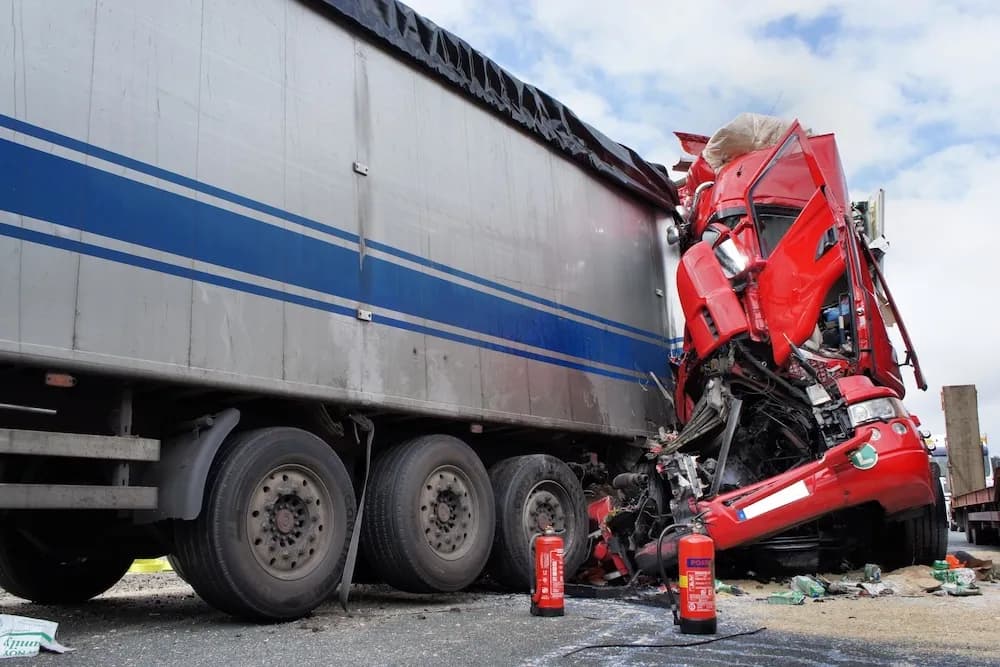
More than 400,000 truck accidents occurred in 2016 alone. These accidents resulted in more than 100,000 injuries.
Truckers must be extra-cautious when driving their big rigs. As the biggest things on the road, commercial trucks can seriously harm or kill those in smaller vehicles during an accident. A trucker can also lose his CDL.
Knowing what causes most accidents can help drivers understand which precautions to take. What are the seven most common causes behind truck accidents in Georgia? Continue reading below to find out.
1. Exhaustion
Federal regulations state truck drivers aren’t allowed to drive more than eleven hours. After driving for so long, truckers are supposed to take a ten-hour break. Unfortunately, this doesn’t always happen.
Many truckers push themselves to drive fourteen to sixteen hours. These extended hours are often caused by bosses setting unrealistic shipment arrival times. When truckers become too exhausted, accidents are more likely to happen.
2. Being Distracted
Driving ten hours straight is boring. It can be exceptionally dull in rural areas with little change of scenery. This boredom causes many truckers to start multitasking instead of placing all their focus on the road.
Many accidents are caused because truck drivers are texting or talking on the phone. Some have even been known to play games or watch videos while driving their trucks.
3. Poor Truck Maintenance
Commercial trucks need a lot of routine maintenance because they’re put through a lot of use. The responsibility of maintaining these vehicles is usually on the company. If a truck driver owns his big rig, repairs might fall on them.
These trucks aren’t always appropriately maintained. Lack of proper care can lead to issues like brake failure. Without proper control of such a large vehicle, the lives of everyone on the road is at risk.
Have Questions About Your Case?
Get a free consultation with an experienced Georgia accident attorney.
4. Overloaded or Improperly Loaded Cargo
All commercial trucks have two limits they’re supposed to adhere to. One is weight, and the other is volume. The weight must be evenly distributed without too much on either side.
Failure to follow these limits makes the truck more difficult to drive. Overloading cargo can make it more difficult for the truck to stop. Improperly balanced cargo can cause the truck to swerve.
5. Speeding
Speeding is one of the leading causes of truck accidents. Once again, speeding is usually caused by bosses setting unrealistic shipment arrival times. Feeling under pressure to make deadlines can cause truckers to drive faster than the posted speed limit.
The biggest issue with truckers speeding is how difficult it is to stop. Even at average speeds, a commercial truck will have difficulty braking. The higher the speed, the more difficult it is for a big rig to stop.
6. Poor Weather Conditions
Truckers must drive in all types of weather conditions. Cross-country truckers might run into several different hazardous conditions in a single day. Truck accidents are significantly more likely to occur when the weather is poor.
Fog is a significant issue because it doesn’t allow truckers to see far enough ahead of their vehicles. An inability to see increases the risk of rear-ending other vehicles. Snow, ice, and rain can make roadways challenging to navigate.
7. Driving Under the Influence
Many truckers who caused accidents were found to be under the influence of drugs or alcohol. Sometimes, these weren’t illegal drugs but prescription medications.
Drugs and alcohol can impair a person’s reaction time. Failing to react quick enough can cause a lot of otherwise avoidable accidents. Substance abuse can also increase the risk of falling asleep behind the wheel or swerving into another lane.
What Should People Do If Involved in Truck Accidents?
If someone is involved in a truck accident, several steps need to be taken. The first thing should be to call 9-1-1, so medical personnel can help anyone on the scene with injuries.
If you are a truck driver, you should call your company as soon as possible. You will also want to call a lawyer. Be cooperative with the police at the accident scene and get treated for any injuries.
If you are an average person involved in an accident with a big rig, the steps are mostly the same. You should call your auto insurance company and a lawyer as soon as possible. Don’t resist medical treatment if you’re told you need it.
Avoiding Truck Accidents
Most truck accidents can be avoided if necessary precautions are taken. A few ways truckers can avoid being involved in an accident include:
- Paying full attention to the road
- Ensuring the truck being driven is appropriately maintained
- Always double-checking cargo is within weight limits and balanced
- Making a rest stop when you feel tired
- Driving for no longer than eleven hours at a time
- Ensuring you get ten hours of rest between long driving shifts
- Staying within the speed limit
- Going slower than the speed limit in poor weather conditions (or stopping completely)
- Avoiding the use of drugs or alcohol (including prescription medications that may alter your ability to drive)
- Avoiding road rage, including cutting other drivers off
- Using defensive driving techniques at all times and avoiding offensive driving
By following these guidelines, truckers can avoid most potential truck accidents. Remember, it’s better to have your shipment arrive a little late than to risk injuring yourself and others.
Were You Involved in a Truck Accident?
Commercial truck accidents occur more frequently than most people believe. They can be caused by the trucker or by conditions outside their control.
If you were involved in any truck accidents, contact us today. Our knowledgeable law staff can help you understand what comes next. If you need legal representation, we can help with that.
Frequently Asked Questions
What evidence is unique to truck-accident cases?
Federal regulations from the Federal Motor Carrier Safety Administration require commercial carriers to maintain driver logs, hours-of-service records, electronic logging device (ELD) data, drug and alcohol test results, maintenance records, and post-crash inspection reports. These records have short retention periods and must be preserved by formal demand.
How much insurance do trucking companies carry in Georgia?
Interstate commercial carriers must maintain at least $750,000 in liability coverage under FMCSA regulations — far above the Georgia auto minimum of $25,000. Many carriers exceed the federal floor and carry $1 million or more, which is why truck-crash recoveries can be substantially larger than passenger-vehicle cases.
What causes most large-truck crashes?
According to FMCSA crash data, the leading contributing factors are driver fatigue, unfamiliarity with the route, brake problems, speeding, and distraction. Many of these correlate with violations of federal hours-of-service rules — a logbook audit early in the case can reveal those violations.
How long do I have to file a Georgia truck-accident claim?
Two years from the date of the crash under O.C.G.A. § 9-3-33 for personal injury. Cargo or property claims have four years under O.C.G.A. § 9-3-32. However, evidence-preservation letters to the carrier should go out within days to prevent logbook and ELD data from being overwritten.